


"In September, the SIRE 2.0 programme reached a major milestone in passing its second anniversary."
Director's Log
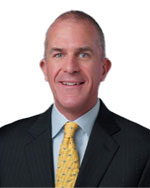
With over 44,000 SIRE 2.0 inspections now completed, we have a substantial and growing evidence-base from which to learn and improve. That volume of real-world data reflects the dedication and professionalism of many stakeholders, not least the inspector community, whose work on the water underpins the programme's effectiveness and purpose.
As a learning organisation, OCIMF is committed to continuous improvement across all of its activities. It was always the intention for SIRE 2.0 to evolve as operational experience builds, which is why continued input and feedback from programme users are central to understanding what is working well and where further improvements can be made.
Feedback from across the SIRE community, including inspectors, vessel operators and programme users, provides valuable insight into the practical application of SIRE 2.0 and opportunities for further development. That feedback is always taken seriously and reviewed carefully, with an open mindset. Where the data supports change, we endeavour to make it. Where it does not, we will explain why.
The digitalisation of the previous SIRE inspection regime and its launch two years ago marked a significant change for industry, and a necessary step forward in enhancing our ability to identify and address risks. Embedding the programme will still take time, and OCIMF would like to thank all programme users for their continued support and engagement with the programme as we work to further refine the regime and the support available to programme users.
Don Davis
Managing Director OCIMF
Do you have news that you'd like to share with our readers? If so email
Opportunities and challenges in Latin America
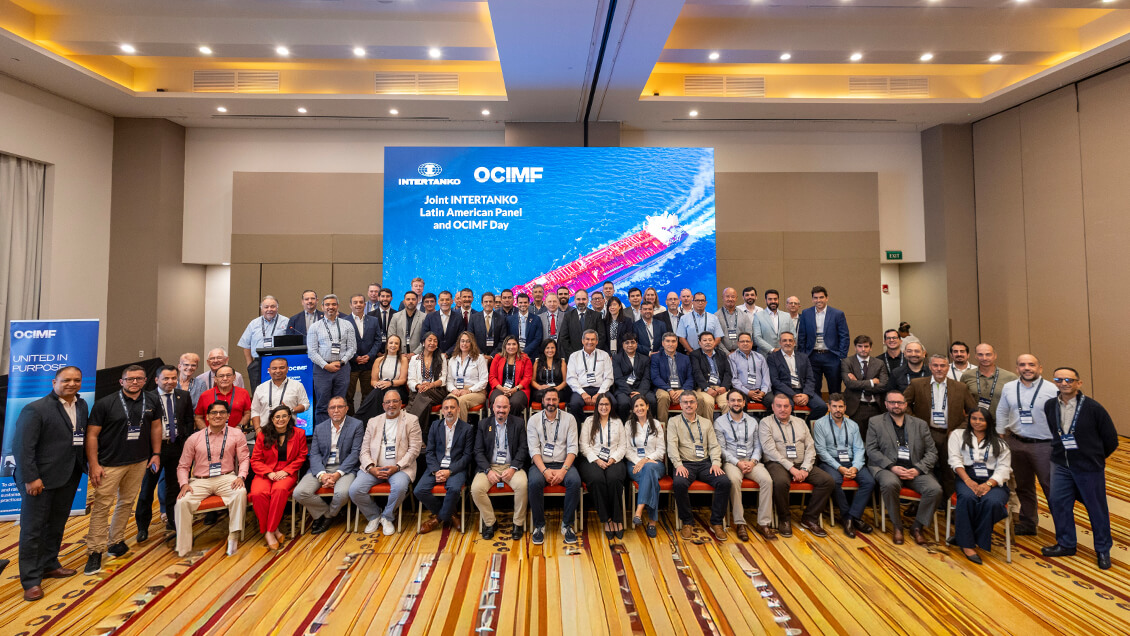
OCIMF hosted a joint INTERTANKO Latin American Regional Panel and OCIMF Day prior to the SLOM Jornada XXII.
Held in Cartagena de Indias, Colombia, on 13 October, the event focused on regional issues of interest to members of both organisations including Panama Canal insights, biofuel development in Latin America and developments in the tanker and gas carrier sector. Additionally, the 100-plus attendees were provided an overview of the refreshed OCIMF mission, scope and branding and OCIMF’s near-term focus areas.
Over the following three days, OCIMF’s Engineering Adviser Alexys Nielsen, Offshore Adviser Christopher Holland and P&A Director Darron L. Biddle joined member representatives from Ecopetrol, ENAP, Moeve, Pan American Energy, Petrobras, Pluspetrol Peru, Repsol, and YPF for technical presentations at the SLOM Jornada. As well as learning from the presentations, they had the opportunity to meet service providers attending the conference and discuss opportunities and challenges associated with emerging technologies that can help reduce risk and contribute to the energy transition.
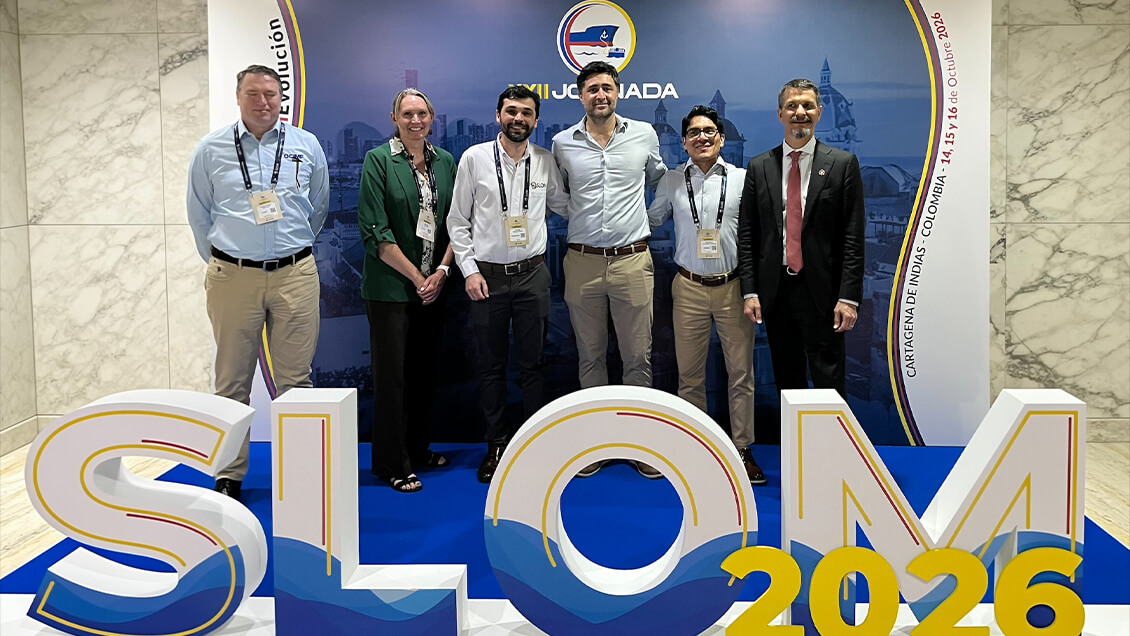
Opportunities like the SLOM Jornada allow OCIMF to engage with members who may not meet the Secretariat otherwise. Pictured above are Christopher Holland and Alexys Nielsen (OCIMF), Raphael Reguine (Petrobras), Tomás Lastra Milone (YPF), Fernando Villalobos Herrera (Repsol) and Darron L. Biddle (OCIMF).
OCIMF and SLOM formalise cooperation
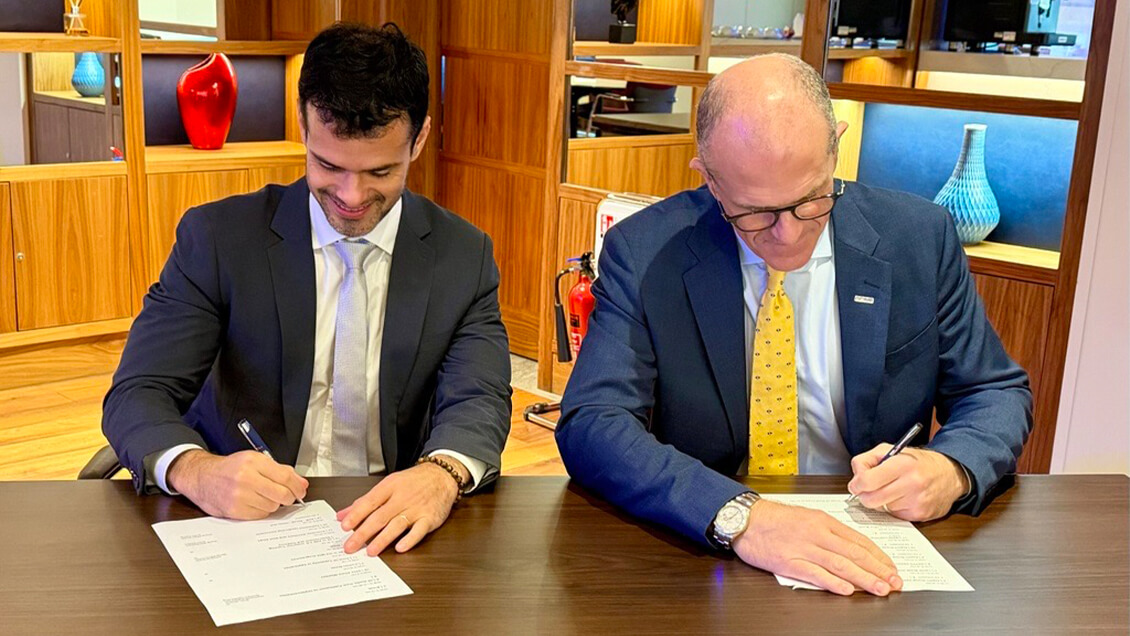
OCIMF and SLOM announced the signing of a Memorandum of Understanding (MoU) to formalise cooperation to advance maritime safety, operational efficiency and environmental protection across marine terminal operations in Latin America.
The agreement, announced during the SLOM Jornada, was signed by Filipe Santana, President of SLOM, and Don Davis, Managing Director of OCIMF.
The MoU establishes a framework for collaboration, focusing on improving safety at the ship-terminal interface, promoting international best practices and supporting the safe handling of emerging fuels. It will also encourage participation in OCIMF’s Marine Terminal Information System (MTIS) programme and support initiatives to reduce greenhouse gas emissions. The agreement reflects both organisations’ shared commitment to safer and more sustainable marine operations.
OCIMF hosts SLOM in Rotterdam
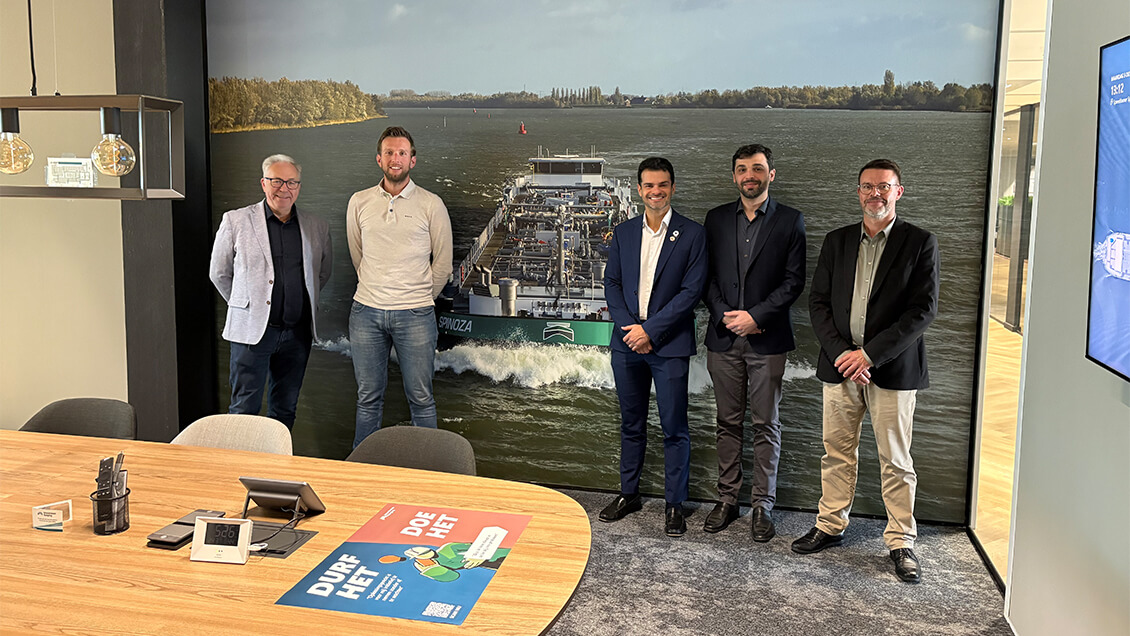
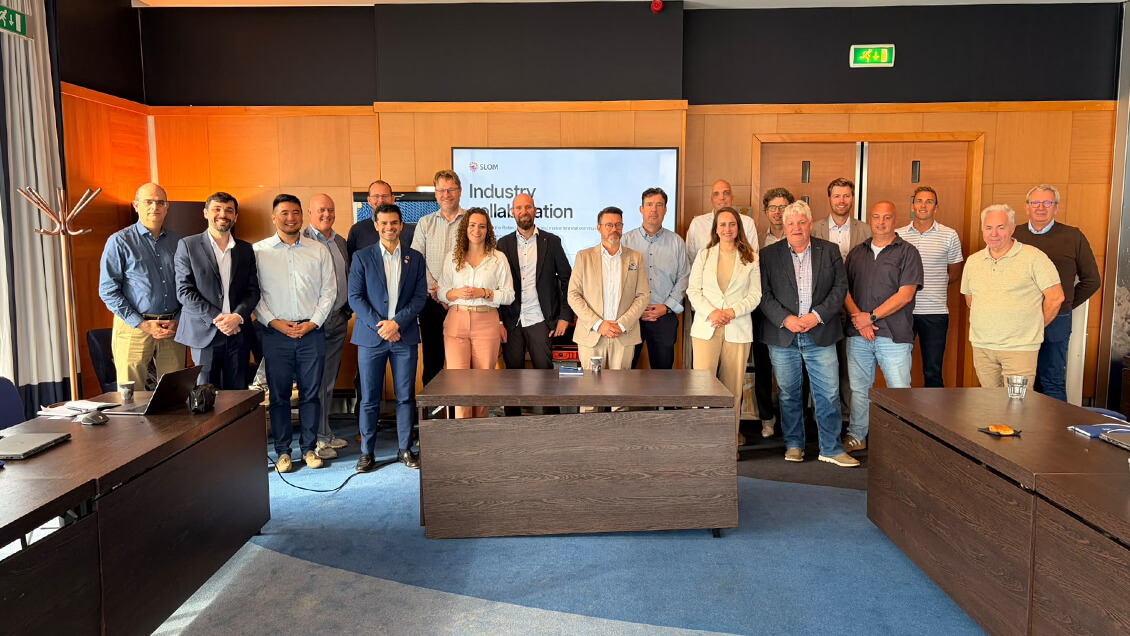
OCIMF was honoured to host a delegation of the Latin American organisation SLOM in Rotterdam to meet representatives of the European barging industry.
The meeting, on 5–6 October, focused on sharing incidents and the ship-to-shore interface, as well as making plans for a Lessons Learned event in Rotterdam in May 2027. OCIMF would like to thank the President of SLOM, Filipe Santana, for working with barging communities in different regions.
Thanks to all the attendees, including OCIMF members, Platform Zero Incidents, IVR, Green Award Foundation and terminal representatives. Special thanks to host Michael Zevenbergen of Interstream Barging for the office visit.
For more information, contact Ton Mol, OCIMF Barge Adviser,
SIGTTO regional panel explores marine fuel safety in a changing landscape
Javed Bhombal represented OCIMF at the SIGTTO regional panel discussions in London on 8 October.
One key topic was ammonia fuel systems for marine engines, which have been successfully developed for both two-stroke and four-stroke engines, using high-pressure liquid and gaseous ammonia respectively. Safety remains the core design principle, while safe operation will depend equally on the human and regulatory elements to support the safe, wider adoption of ammonia as a marine fuel. Future marine fuel infrastructure will require an integrated, risk-based approach across its lifecycle.
Discussion of LNG emergency planning stressed that it should address both established and emerging risks, with loss of containment, boil-off gas (BOG) management, gas dispersion and cryogenic hazards remaining key considerations. Limited specialist equipment and LNG salvage expertise remain key constraints. Effective response requires an integrated approach across vessels, terminals, ports, emergency services and salvage organisations. Human factors remain central to incident prevention.
Maritime infrastructure standards are moving towards a whole-lifecycle asset management approach, integrating safety, operability, sustainability and stakeholder requirements from the earliest project stages. Condition Assessment Programme (CAP) for vessels 15 years and older to support chartering decisions has seen demand double over the past two years, driven by tighter market requirements and an ageing fleet, particularly LNG/LPG vessels. A new digital mobile inspection application is improving inspection efficiency.
For more information, contact Javed Bhombal, OCIMF Nautical Adviser,
Programmes Committee
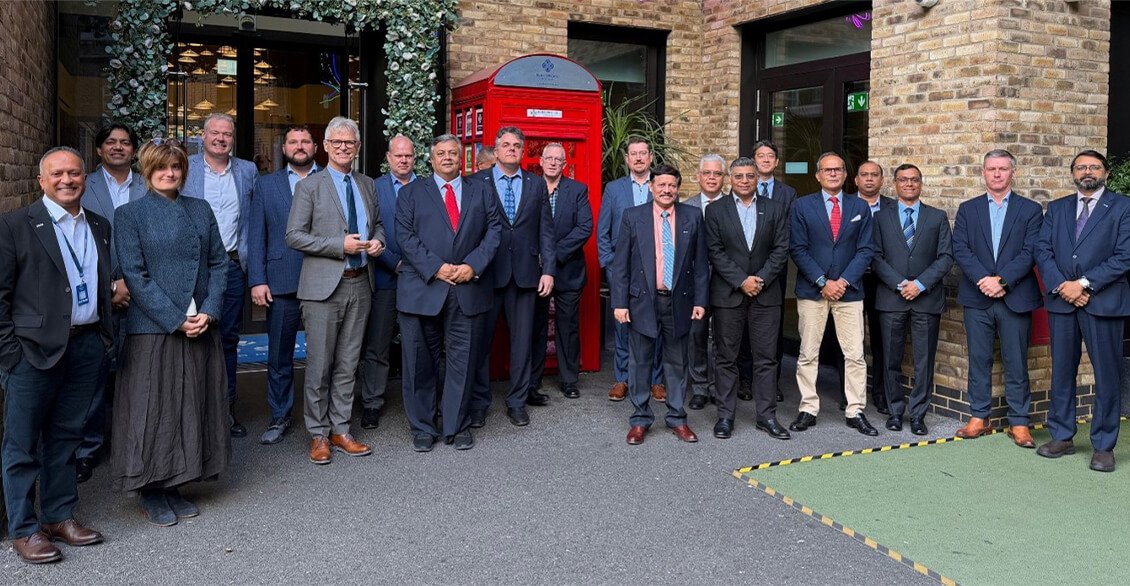
Chair: Andrew Rayapan (BP)
Vice-Chair: Jasjit Jaswal (Excelerate Energy)
Secretary: Dave Cudbertson (OCIMF Programmes Director)
The 13th meeting of the Programmes Committee (PC13) was held in London on 1–2 October. It provided an opportunity to review Q3 delivery, test whether OCIMF programmes are achieving the outcomes members need and agree where we should focus next. Feedback on the first redesigned SIRE 2.0 inspector course was encouraging, particularly on the shift from slide-based teaching towards group work and practical exercises. The introduction of structured observation-writing tools, including OPERA, also helped candidates understand more clearly what is expected. PC13 endorsed the broader rollout of these tools.
PC13 reviewed the technology modernisation roadmap, which is intended to replace ageing and fragmented applications, improve resilience and provide better access to reliable data. The modernisation design also includes multilingual capability and a more risk-centred approach to questions.
Other actions include developing a cross-programme incident-investigation framework, extending the PSC repository draft window, simplifying SIRE defect reporting, and clearer triggers for submitting-member surveillance and deeper audits.
The next step is a coordinated intersessional work programme translating PC13 decisions into consistent outcomes and focused 2027 priorities.
For more information, contact Dave Cudbertson, OCIMF Programmes Director,
Legal Committee
Chair: Robert Melvin (bp)
Vice-Chair: James Newdigate (Aramco)
Secretary: Phil Pascoe (OCIMF General Counsel and Business Support Director)
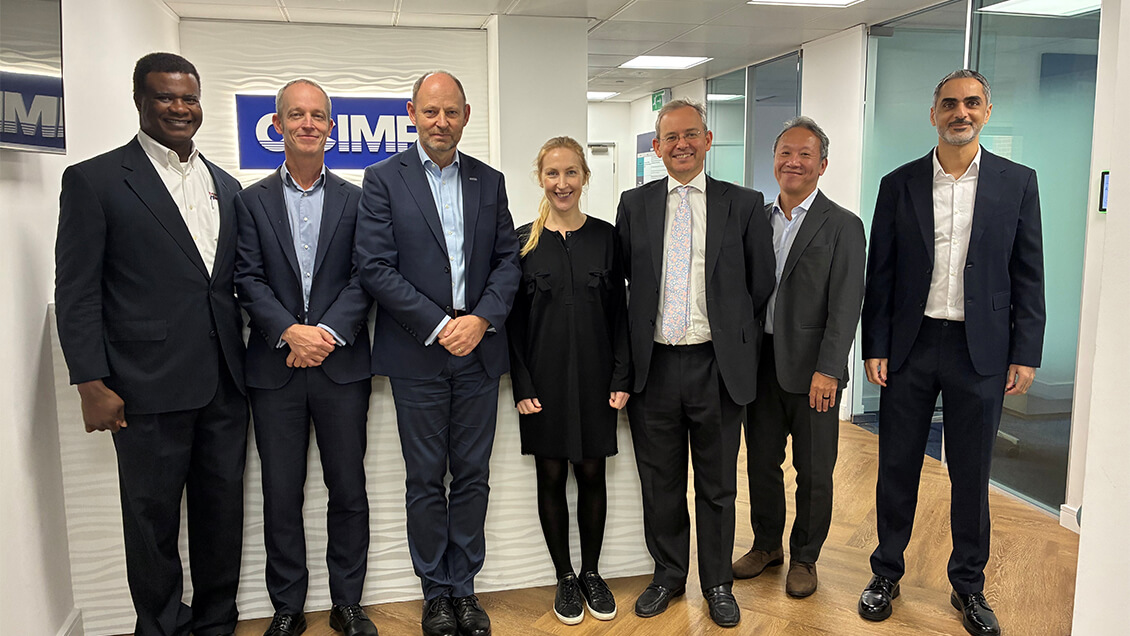
The Legal Committee met at the OCIMF office in London on 14 October 2026. A significant part of the agenda focused on supporting the work of the Programmes Committee, with the Programmes Director, Capt. Dave Cudbertson, joining the meeting to contribute to the discussions. The Committee also welcomed the Human Factors Adviser, Maartje Wibrew-Forster, who provided an excellent update on the work of the Human Factors Committee. Further intersessional meetings will be held virtually later this year and early next year, with the next face-to-face meeting expected to take place in Houston, Texas, in April 2027.
The Legal Committee is keen to welcome new members and broaden representation across the OCIMF membership. If you are interested in getting involved, or would like to find out more, please contact the OCIMF General Counsel at
Maritime Security Committee
Chair: Duncan Macinnes (ExxonMobil)
Vice-Chairs: Hemant Berry (Ampol) and Tony Martorell (Excelerate Energy)
Secretary: Russell Pegg (OCIMF Security Adviser)
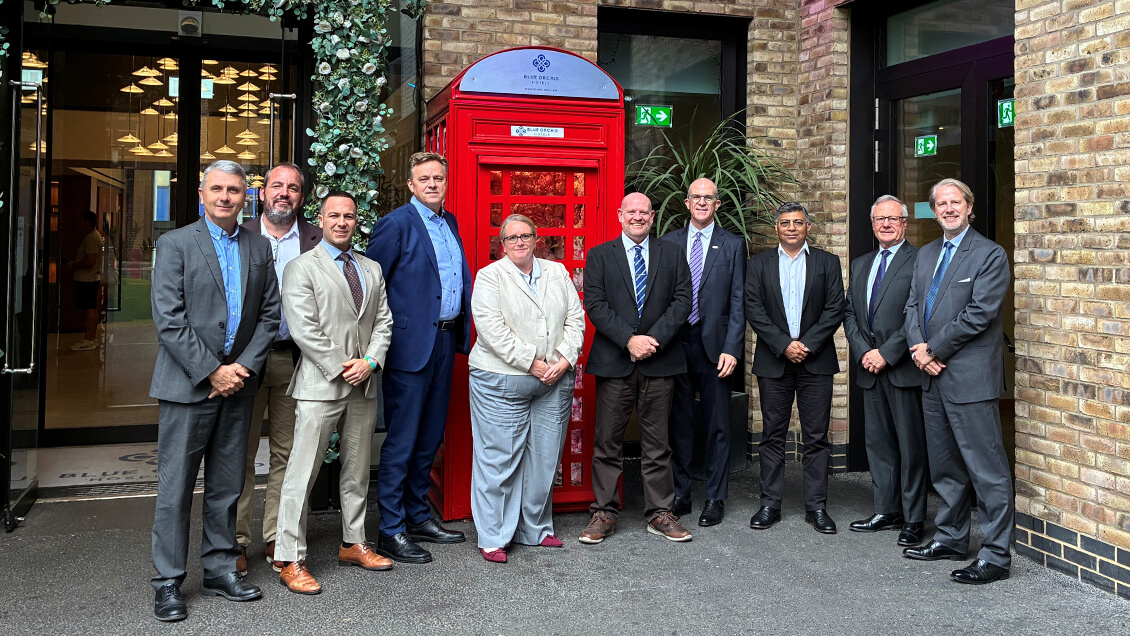
It was great to bring OCIMF’s Maritime Security Committee (MSC) together on 29 September – both in person and online – for its 11th meeting. The return of face-to-face conversation made a real difference after a long stretch of virtual-only meetings, giving members the chance to connect and explore a wide range of issues affecting both the membership and seafarers. Highlights included a joint session with the Human Factors Committee and ISWAN, which looked at how the organisation can further support seafarer welfare and post-conflict trauma needs. The committee also discussed alignment with the SIRE programme to help keep inspectors’ questions current and relevant. Operational updates focused on areas where maritime security incidents continue, and the MSC greatly appreciated the advice and insight shared by external participants.
MSC 11 also brought a change at the helm. Sarah Thompson (Chevron) handed over the Chair to Duncan Macinnes (ExxonMobil). OCIMF extends its sincere thanks to Sarah for her leadership of the committee and wishes her every success in her new role overseas. The MSC also supported the nomination of Tony Martorell (Excelerate Energy) as a new Vice-Chair.
The MSC will next meet virtually on 15 December 2026.
If members are interested in joining this group, please contact Russell Pegg, OCIMF Security Adviser,
Human Factors Committee
Chair: Jordan Baptiste (Excelerate Energy)
Vice-Chair: Laurent Routisseau (TotalEnergies)
Secretary: Maartje Wibrew-Forster (OCIMF Human Factors Adviser)
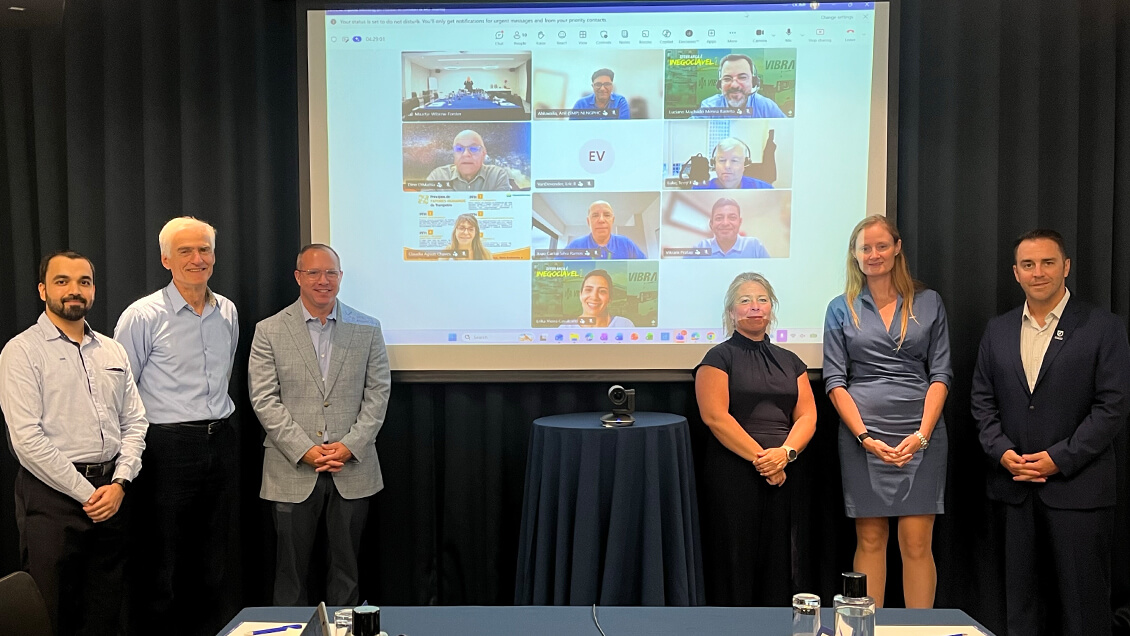
OCIMF’s Human Factors Committee brought together members and invited guests for its twelfth meeting in London and online on 30 September. Discussions focused on turning human factors principles into practical improvements across OCIMF’s publications, programmes and wider industry engagement. A key highlight was the forthcoming OCIMF Guide to Human Factors. As the guide approaches publication, the committee explored how communications and supporting activities can help different audiences understand its relevance and apply its principles in their everyday work.
Members also reviewed progress on the Human Factors Capability Building Programme and the integration of human factors into the Management Self Assessment programmes. Discussions with the Programmes team explored opportunities to strengthen human factors guidance, inspector training and the quality of human observations within SIRE 2.0. A practical example shared during the meeting demonstrated how learning from normal work can help identify the conditions affecting performance and inform improvements both onboard and ashore.
The meeting reinforced the value of collaboration, shared learning and considering human factors throughout the development of guidance and assessment processes. The forthcoming guide will provide a common foundation for this continuing work, supporting the creation of conditions in which people can perform at their best.
For more information, contact Maartje Wibrew-Forster, OCIMF Human Factors Adviser,
Engineering Expert Group
Lead: Dave Deltano (Marathon)
Co-lead: Kevin Lappage (BP)
Secretary: Lexy Nielsen (OCIMF Engineering Adviser)
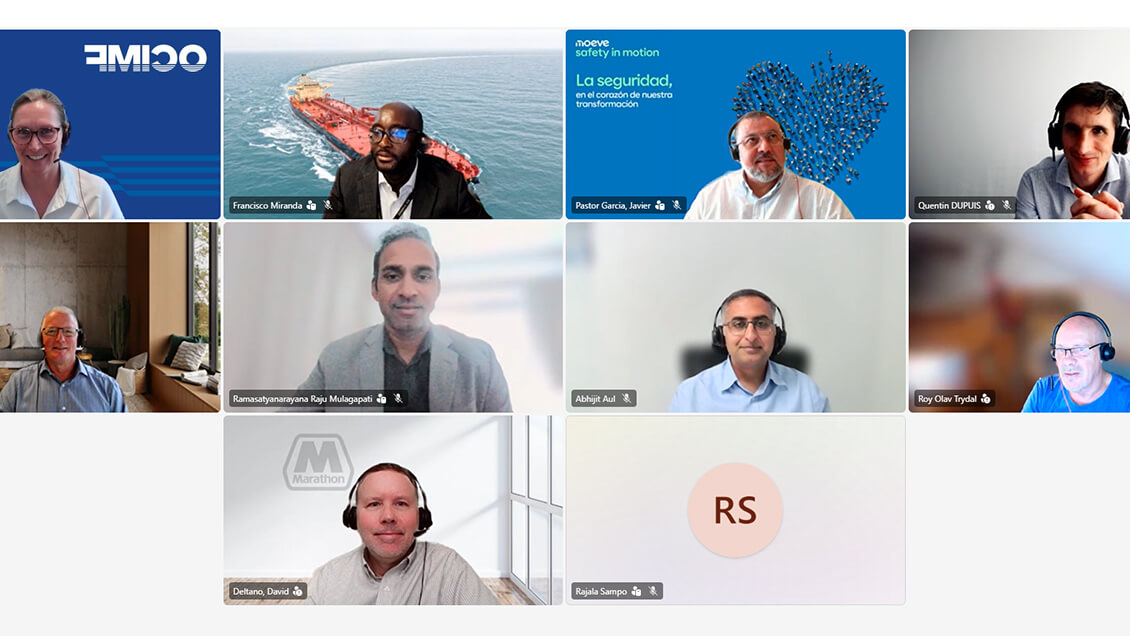
The Engineering Expert Group (EEG) met virtually for its 19th meeting on 23 September. The meeting had a strong focus on engagement at the IMO. OCIMF’s Risk and Regulatory Affairs Adviser shared an update on current IMO activities and the EEG’s role in providing technical expertise, including recent work supporting the alternative fuels correspondence group on methyl and ethyl alcohol and low-flashpoint oil fuels. The group also planned its participation in the ongoing correspondence group on Engine Control Room Alert Management (ECRAM).
The group celebrated the completion and recent launch of the revised information paper Safety Critical Equipment and Spare Parts Guidance. Final project wrap-up will include liaising with the Programmes team to incorporate the updated content into SIRE 2.0. The group also finalised its review of the information paper Recommendations on the Hazard Assessment of Fuel Changeover Processes.
Finally, EEG members shared updates on OCIMF project work including the Mooring Equipment Guidelines revision, MSA alignment and TMSA revision work, and SIRE question guidance updates.
For enquiries, contact Lexy Nielsen, OCIMF Engineering Adviser,
Multi Buoy Mooring Revision Working Group
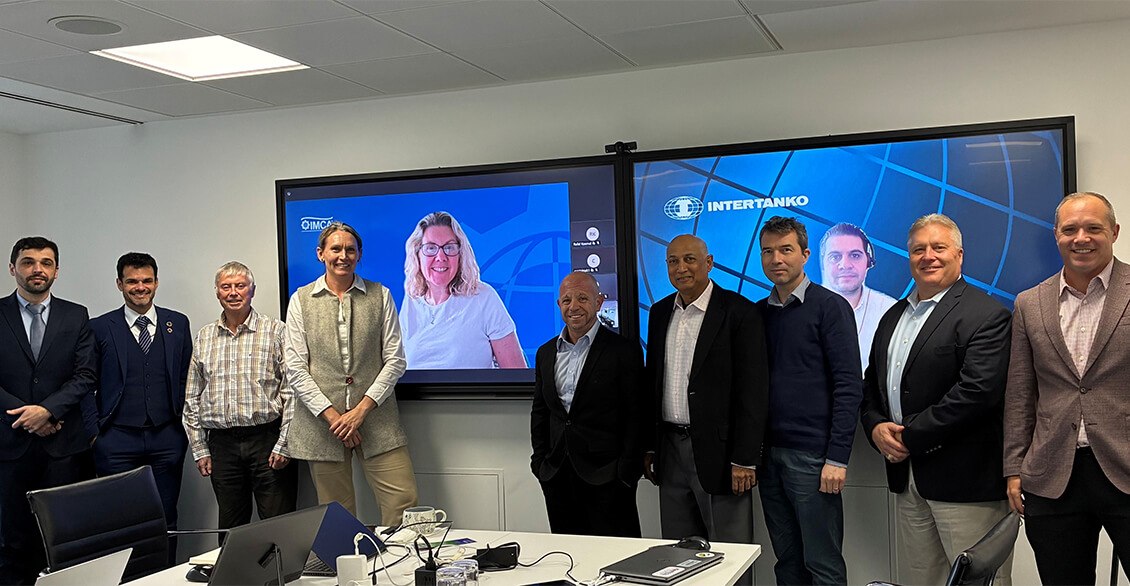
Lead: Jeff Bayham (Exxon)
Co-lead: Raphael Reguine Ribeiro (Transpetro)
Secretary: Lexy Nielsen (OCIMF Engineering Adviser)
The working group revising the Guidelines for the Design, Operation and Maintenance of Multi Buoy Moorings (MBM) held its second and final face-to-face meeting on 1–2 October, bringing together members to make a final push towards drafting completion. The group worked through technical and operational comments, publication alignment, human factors integration and external review feedback, making significant progress towards a consolidated final draft.
The revised publication will have a stronger focus on practical, risk-based decision making, with updates across design, operations, inspection and maintenance. The group also focused on streamlining the draft and aligning it with other OCIMF guidance, while retaining the MBM-specific information needed by terminal operators.
A key associated deliverable from the revision is the development of a new information paper consolidating guidance on marine hose inspection, maintenance and retirement for single point and multi buoy moorings.
For enquiries, contact Lexy Nielsen, OCIMF Engineering Adviser,
IMO news
48th Consultative meeting of Contracting Parties to the London Convention and 21st meeting to the London Protocol (LC 48/LP 21)
The London Convention, in force from 1975, was among the first global conventions introduced to protect the marine environment from anthropogenic activities. The standalone London Protocol treaty entered into force in 2006 to modernise and eventually replace the LC. Together, the treaties promote prevent of pollution of the seas by dumping of wastes and other matter. Activities such as marine geoengineering and subsea carbon sequestration fall within the remit of LC/LP.
LC 48/LP 21 took place at the IMO HQ from 5 to 9 October 2026. Some of the key discussions and agreements during the meeting are as follows:
- Increasing interest in carbon capture and storage among Member States and willingness to share technical and operational experience on CO2 sequestration projects.
- Adoption of a framework to assess marine geoengineering research activities with the potential to store or absorb atmospheric carbon. These include ocean fertilisation, ocean alkalinity enhancement and ocean sinking of biomass. The IMO framework provides the tools to assess whether proposed geoengineering activities can proceed without unacceptable environmental risks.
32nd session of the Technical Group on the Evaluation of Safety and Pollution Hazards of Chemicals (ESPH 32)
The ESPH technical group is involved with the evaluation of chemical products transported in bulk, i.e. MARPOL Annex II cargoes, and matters related to the International Bulk Chemical (IBC) Code. Its 32nd session took place from 12 to 16 October, during which the following discussions of interest to OCIMF took place:
- A proposal to amend the IBC Code to introduce threshold temperature monitoring and alarm requirements for carriage of inhibited cargoes.
- Enhanced MARPOL prewash procedures for “persistent floaters”, i.e. substances including vegetable oils that have a viscosity greater than 50 mPa.s at 20°C and/or with melting point greater than or equal to 0°C. Concerns regarding introducing universal and overly prescriptive operational procedures including the hazards of using of live steam during prewash, were noted.
Next steps: discussions on inhibited cargoes will continue during the next Sub-Committee on Pollution Prevention and Response (PPR 14) in January 2027. Prewash discussions will be formally resumed at a later stage, likely during the next ESPH session in 2027.
For enquiries regarding IMO matters and meeting participation, contact Risk and Regulatory Affairs Adviser, Abhijit Aul,